9 to 12 years
Upper Primary
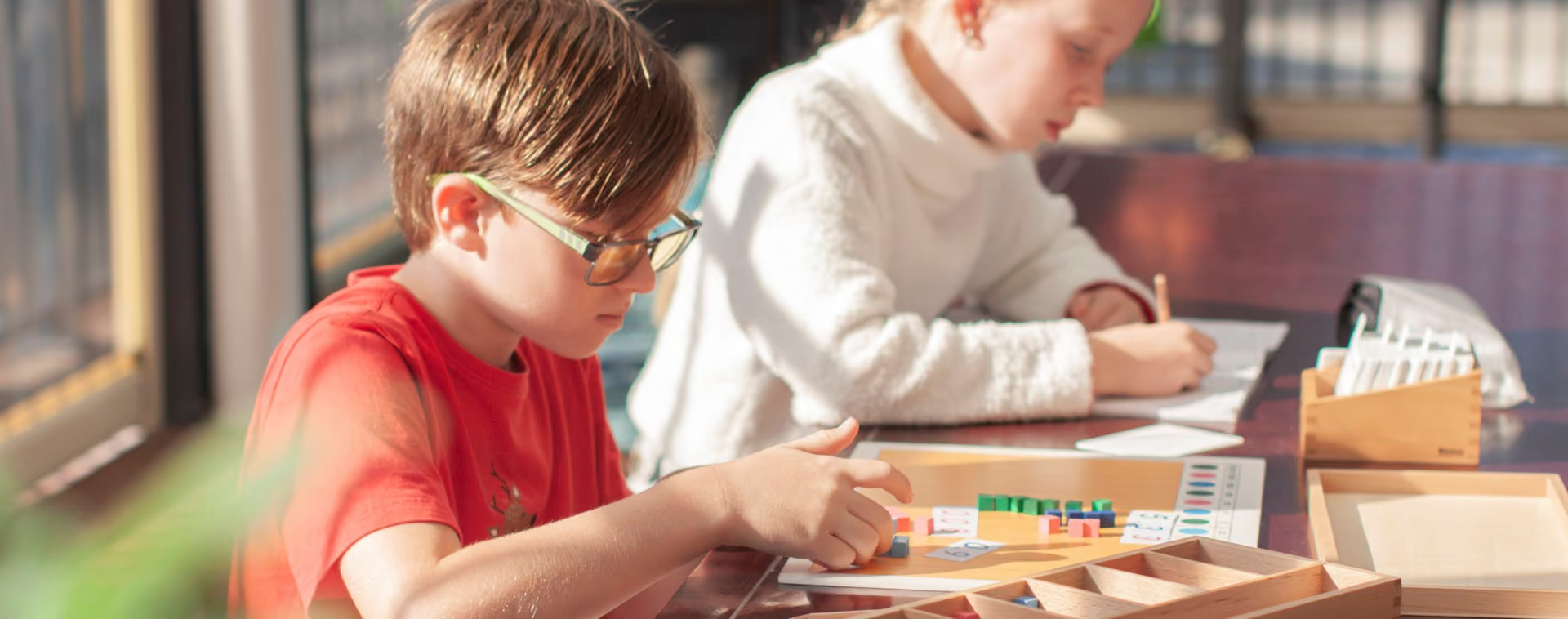
At nine, children move from being concrete intellectual explorers of the universe to abstract intellectual explorers of the world — deep thinkers asking “Who am I?”, “Why?”, “How?” and “What if?”.
Experience and thought begin to connect, and the concrete materials remain available at a deeper level.
The 9-12 cycle
A cycle of consolidation: independent research, collaborative projects and genuine connection with the wider community.
01
The 9-12 year old child
By the time children reach the age of nine, they are moving from being concrete intellectual explorers of the universe to becoming abstract intellectual explorers of the world. Children at this age are deep thinkers whose curious, reasoning and imaginative minds are asking questions about “Who am I?”, “Why?”, “How?” and “What if?”. They come to understand the interconnectedness and interdependency of every aspect in the universe. The concrete materials are still available at a deeper level. Experience and thought begin to connect.
02
Mental independence and grace
The child’s education in Upper Primary continues to promote the development of his or her mental independence as well as the ability to manage the requirements of daily life with grace, confidence and effectiveness. The structure of the Montessori classroom encourages a high level of self-discipline. Through their work within the community of the classroom, school and the wider local community, children come to understand the value of cooperation and service to others. Explorations beyond the classroom are of high significance as the child learns to connect with their community and learns how society works.
03
The Upper Primary curriculum
In Upper Primary, 9-12 years old, the children build on and extend the knowledge and skills they began with their parents, continued to build in the 3-6 cycle and added depth to in the 6-9 cycle. This cycle is one of consolidation, similar to the 3-6 cycle.
04
The 9-12 Upper Primary classroom
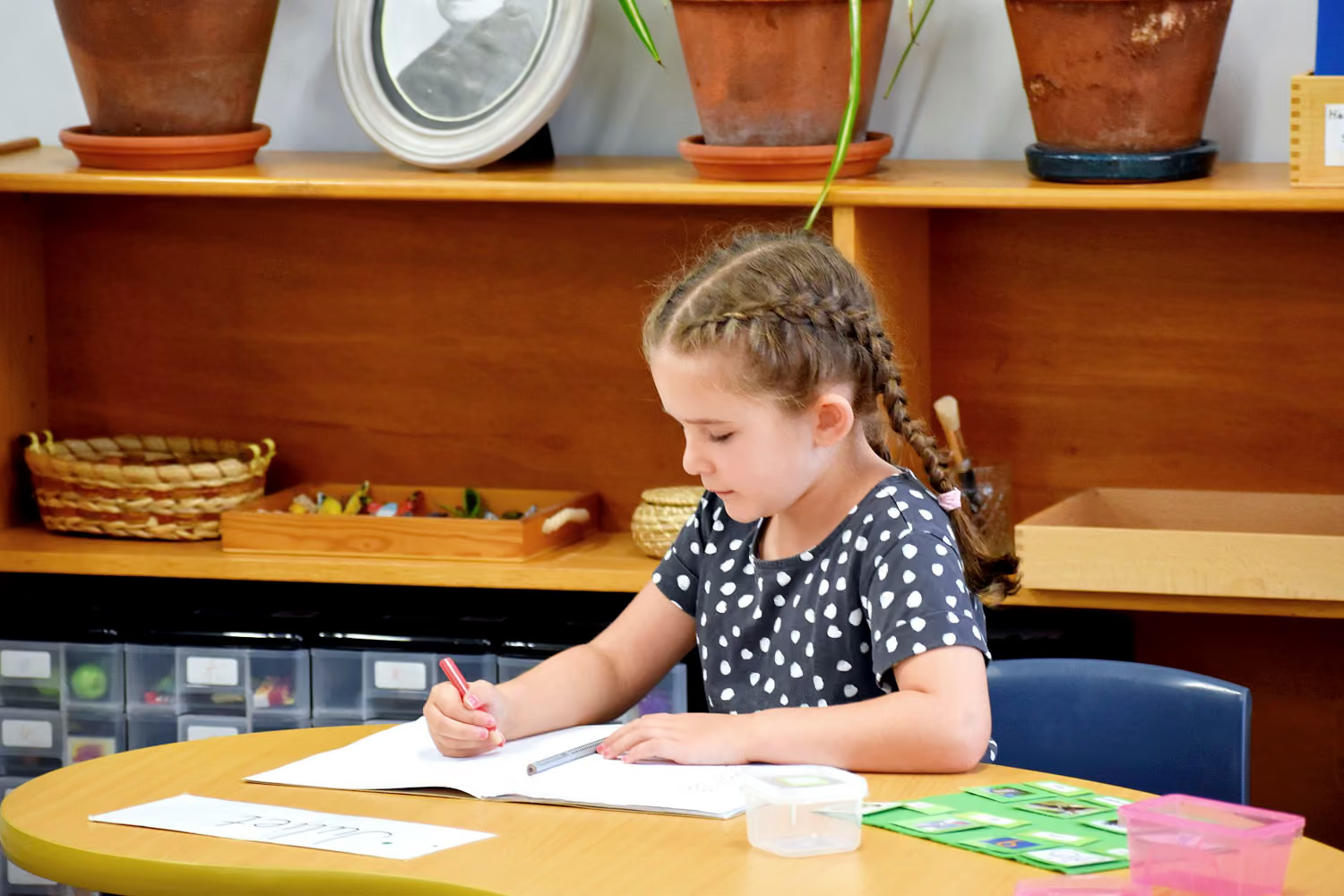
Research, independent study, and collaborative projects help children learn how to think and explore, not just what to learn. Using books, iPads, and computers, they investigate topics in depth, work on meaningful group projects, and develop knowledge through hands-on, experiential learning.
05
An intensely social period
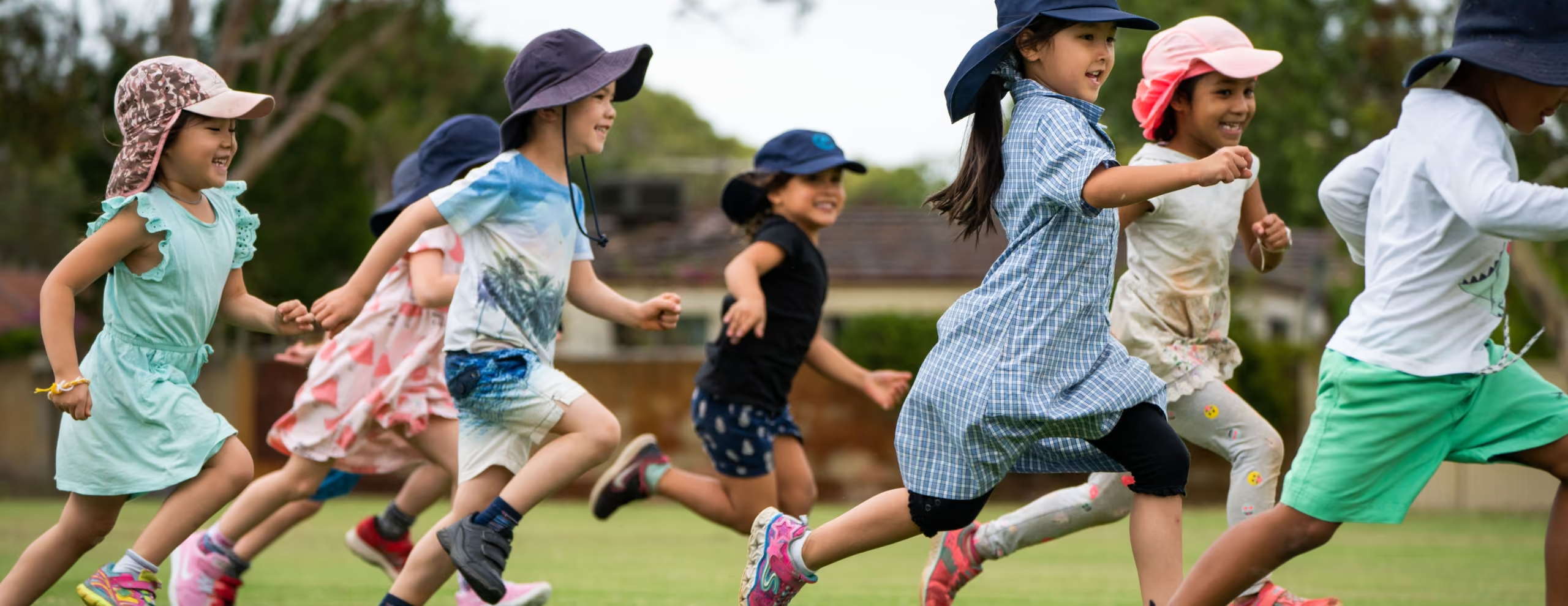
This is an intensely social period where group work is essential. Children want to ‘fit in’ and have a gregarious instinct for social community. At this age, children approach social problem solving through collaboration with others and have a strong awareness of right and wrong, whilst being obsessed with justice and fairness. Social patterns developed in the second plane will maintain their effects into adulthood and therefore affect society as a whole.
“Without my experience at Blue Gum I would not be as confident and resilient as I am now.”
— Danielle, aged 11
Visit an Upper Primary classroom
See how research, collaboration and community shape the final years of primary at our Bibra Lake campus.
Acknowledgement of Country
Blue Gum Montessori School acknowledges the Noongar people of Beeliar Boodja, the land on which we work, learn and play.
We acknowledge their continuing connection to land, waters and culture and pay our respects to Elders past, present and emerging.
Montessori Trust Statement

Blue Gum Montessori School is committed to a pathway of growth and improvement in genuine Montessori practice.
