
Why Kindergarten to Year 3 Is a Great Time to Start Montessori
Why Kindergarten to Year 3 Is a Great Time to Start Montessori
Choosing the right time to start a new school can feel like a big decision.
For some families, Montessori is something they discover early. For others, it becomes an option after their child has already started Kindergarten, Pre Primary or the early primary years.
The good news is that these years can be a very strong time to begin Montessori education. Children are still developing their confidence, learning habits, independence and social foundations, which means the right learning environment can make a meaningful difference.
At Blue Gum Montessori, families are welcome to explore whether Montessori could be the right fit for their child by visiting the school, seeing the classrooms in action and asking questions about the enrolment process.
Why the early years matter
Kindergarten, Pre Primary, Year 1, Year 2 and Year 3 are important years in a child’s development.
During this stage, children are building the foundations for how they approach learning. They are developing concentration, confidence, communication skills and the ability to work with others.
These years are not only about learning early literacy and numeracy. They are also about helping children become comfortable, capable and curious learners.
For families considering a change, this can be a valuable time to look at whether the current learning environment is supporting their child in the right way.
It is not too late to make the move
Some parents worry that if their child did not start in Montessori from the beginning, they may have missed the right time.
In many cases, that is not true.
Children can join Montessori at different stages, and the early primary years can be an ideal time to make the move. At this age, children are still highly adaptable, open to new routines and able to build strong relationships with educators and peers.
A change in environment can often help children who need more space to focus, more independence in their learning or a calmer approach to the school day.
How Montessori supports this stage of learning
Montessori education is designed to support children as individuals.
Rather than every child being expected to move through learning in exactly the same way at exactly the same time, Montessori allows children to develop through guided, hands on experiences.
In these early years, this can help children:
- Develop greater independence
- Build focus and concentration
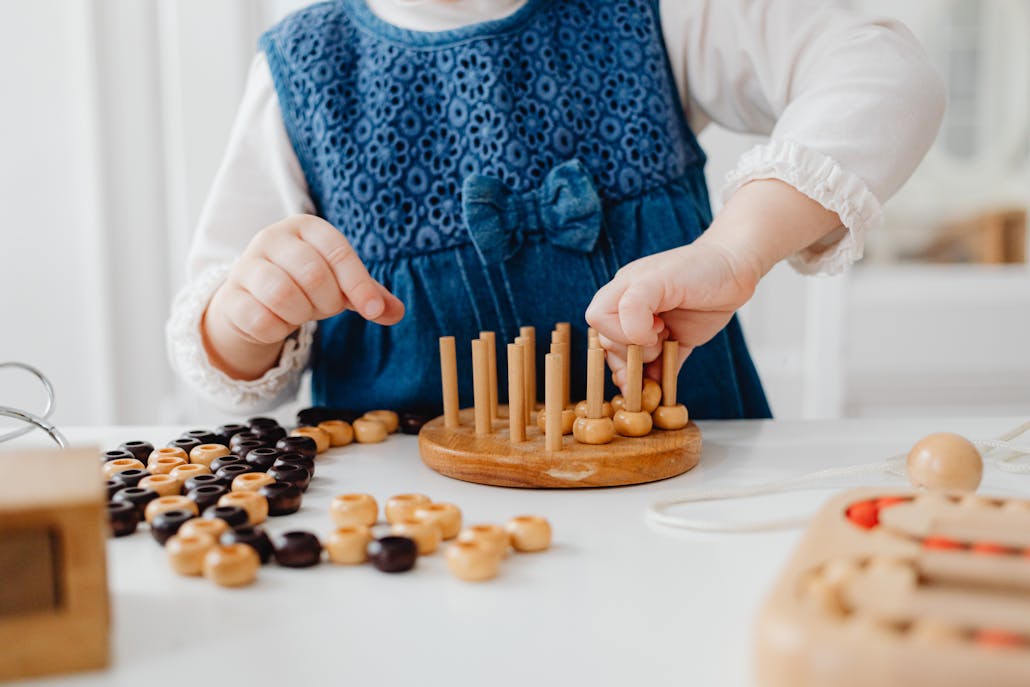
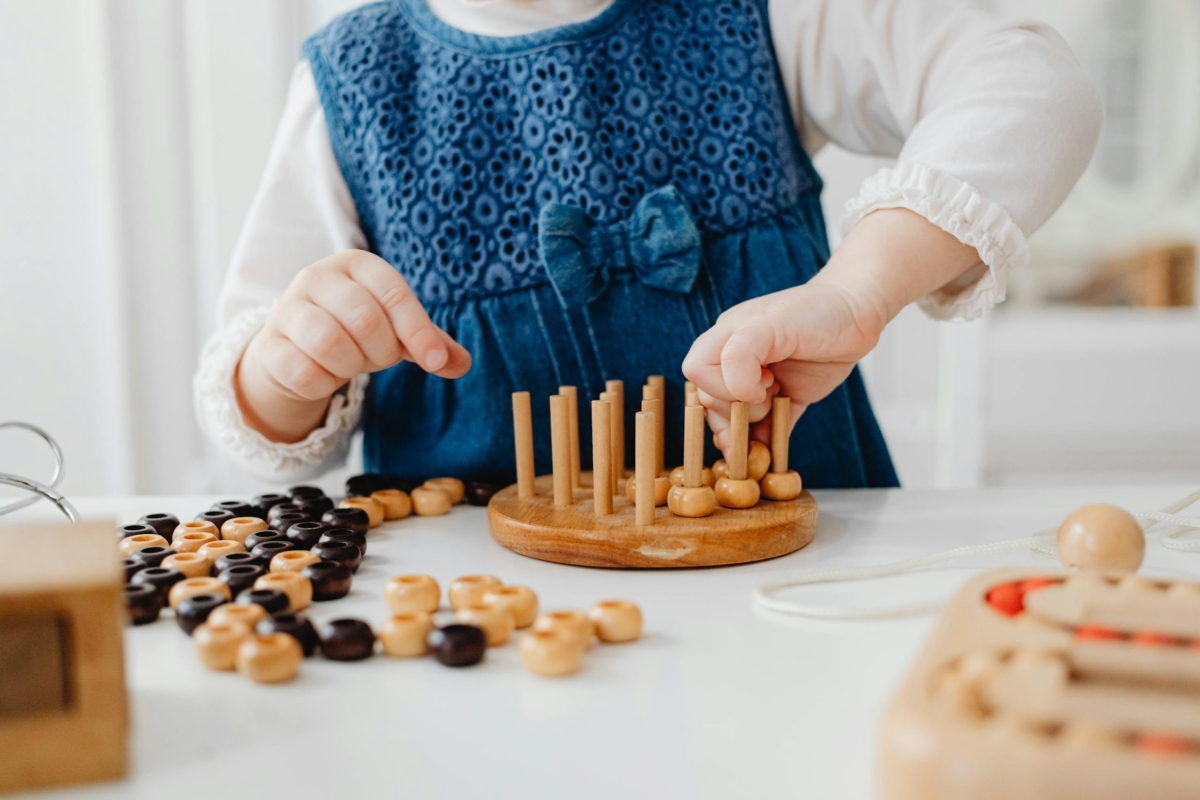
- Learn through hands on materials
- Strengthen confidence in their own abilities
- Work respectfully with other children
- Take more ownership of their learning
This is especially valuable during Kindergarten to Year 3, when children are forming many of the habits they will carry into later schooling.
You can also read more about how Montessori supports confidence and independence in children.
A strong time to build confidence
Confidence is one of the biggest reasons families consider Montessori.
Some children need more time to settle into tasks. Some need more room to explore ideas. Others benefit from being able to work at their own pace, without feeling constantly compared to the group.
Montessori classrooms are designed to give children opportunities to try, practise, make mistakes and improve. Over time, this helps children build confidence through experience.
For a child in Kindergarten, Pre Primary or the early primary years, that confidence can shape how they see themselves as a learner.
Supporting independence early
Independence does not happen all at once.
It develops through small daily routines, such as choosing work, caring for materials, completing tasks and asking for help when needed.
In a Montessori environment, children are supported to take responsibility in age appropriate ways. This helps them feel capable and trusted, while still having guidance from educators.
For children entering in the early years, this can be a powerful foundation for later learning.
Seeing if Montessori is the right fit
Every child is different, and there is no single school environment that suits every family.
That is why seeing Montessori in action is so important.
A classroom observation or school visit gives families the chance to understand how the environment works in practice. It allows parents to see how children move through the classroom, how educators guide learning and how the Montessori approach supports independence, focus and confidence.
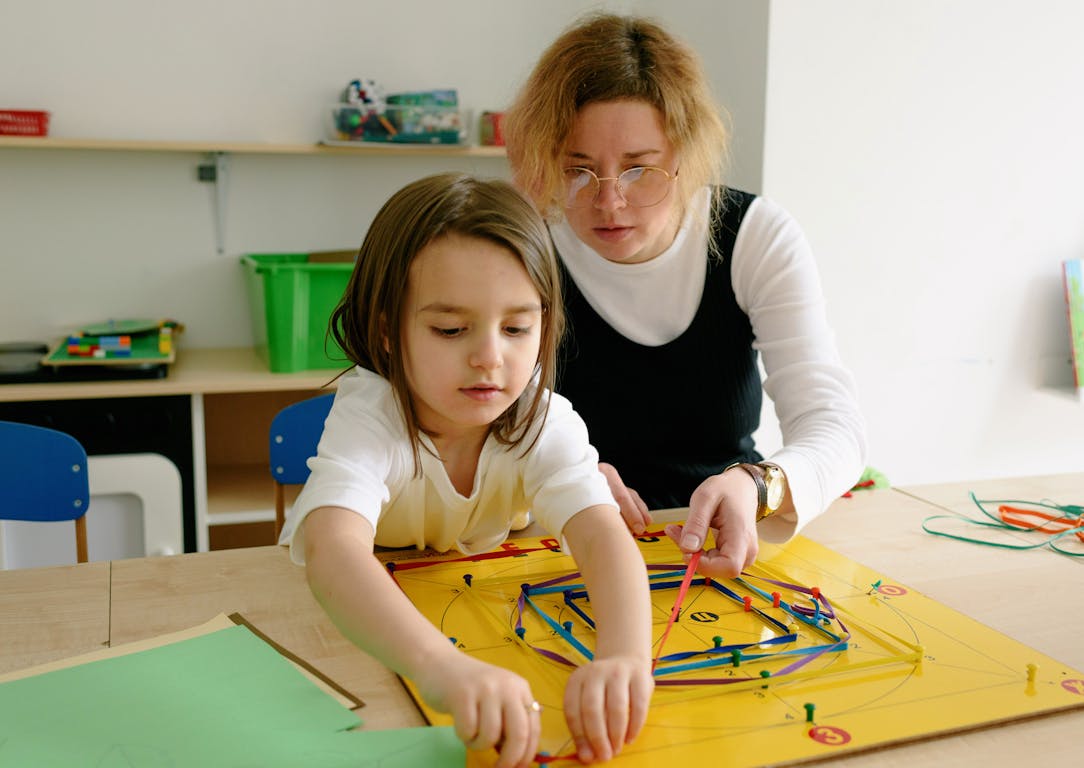
Seeing These Skills in Practice
While these skills are often discussed, they are easiest to understand when observed in a real classroom environment.
Seeing how children interact, problem solve, and move through the classroom gives families a much clearer picture of how these skills develop over time.
Taking the Next Step
Learn More About Montessori Education in Perth
If you are exploring Montessori education and would like to understand how it compares to traditional schooling in practice, speaking directly with the school can be a helpful next step.
You are welcome to contact Blue Gum Montessori School to learn more about their learning approach, curriculum and enrolment process, book a tour, or to request further information.