
How Montessori Builds Confidence and Independence in Children
How Montessori Builds Confidence and Independence in Children
When families begin exploring Montessori education, two of the most common outcomes they hear about are confidence and independence.
They sound great, but they can also feel a bit abstract.
What does confidence actually look like in a child?
And how does a classroom environment help develop it in a real, practical way?
In a Montessori setting, these qualities aren’t taught directly. They are built over time through the way children interact with their environment, their educators, and their own learning.
Confidence Comes from Doing, Not Being Told
One of the key differences in a Montessori classroom is how children engage with tasks.
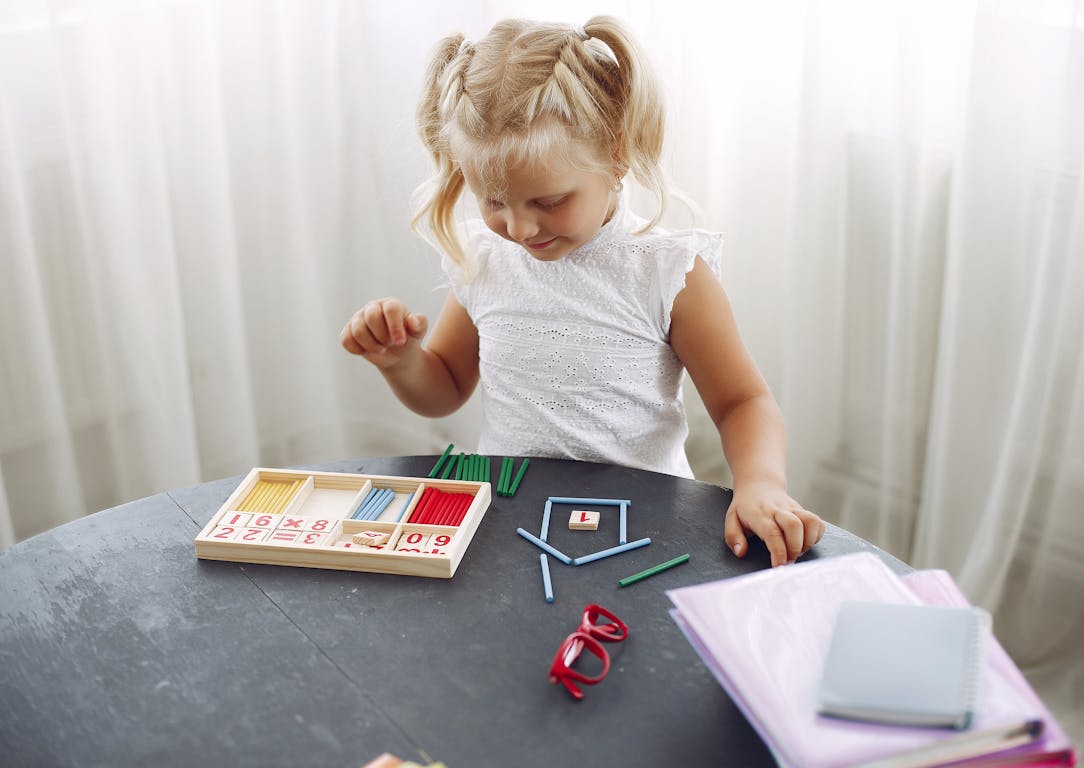
Rather than being shown something once and expected to follow along, children are given the opportunity to work through activities themselves. This includes making mistakes, trying again, and eventually completing something on their own.
Over time, this leads to:
- A sense of achievement from completing tasks independently
- Willingness to try new or unfamiliar activities
- Less reliance on constant reassurance
Confidence, in this context, comes from experience rather than encouragement alone.
Independence Is Built Through Daily Routines
Independence in Montessori doesn’t come from big moments. It’s built through small, repeated actions across the day.
Children are encouraged to take responsibility for their environment and their work. This might include:
- Choosing their own activities
- Setting up and packing away materials
- Managing their time within the classroom
- Taking care of shared spaces
These routines give children a sense of ownership, which naturally supports independence.
Learning at Their Own Pace Builds Confidence
In many traditional settings, children are expected to move through content at the same pace as their peers.
In a Montessori environment, children are able to spend more time on areas they find challenging and move more quickly through areas they understand.
This helps to:
- Reduce pressure and comparison
- Allow children to fully understand concepts
- Build confidence through genuine progress
Children are not constantly measuring themselves against others, which creates a more positive learning experience.
Problem Solving Without Immediate Intervention
Another key part of building confidence is allowing children to work through challenges.
Educators are there to guide and support, but they don’t step in immediately at the first sign of difficulty. This gives children space to think, try different approaches, and find solutions.
You may see:
- Children persisting with tasks before asking for help
- Small mistakes being corrected independently
- A growing sense of resilience over time
These moments play a big role in how children develop confidence in their own abilities.
Social Confidence Develops Naturally
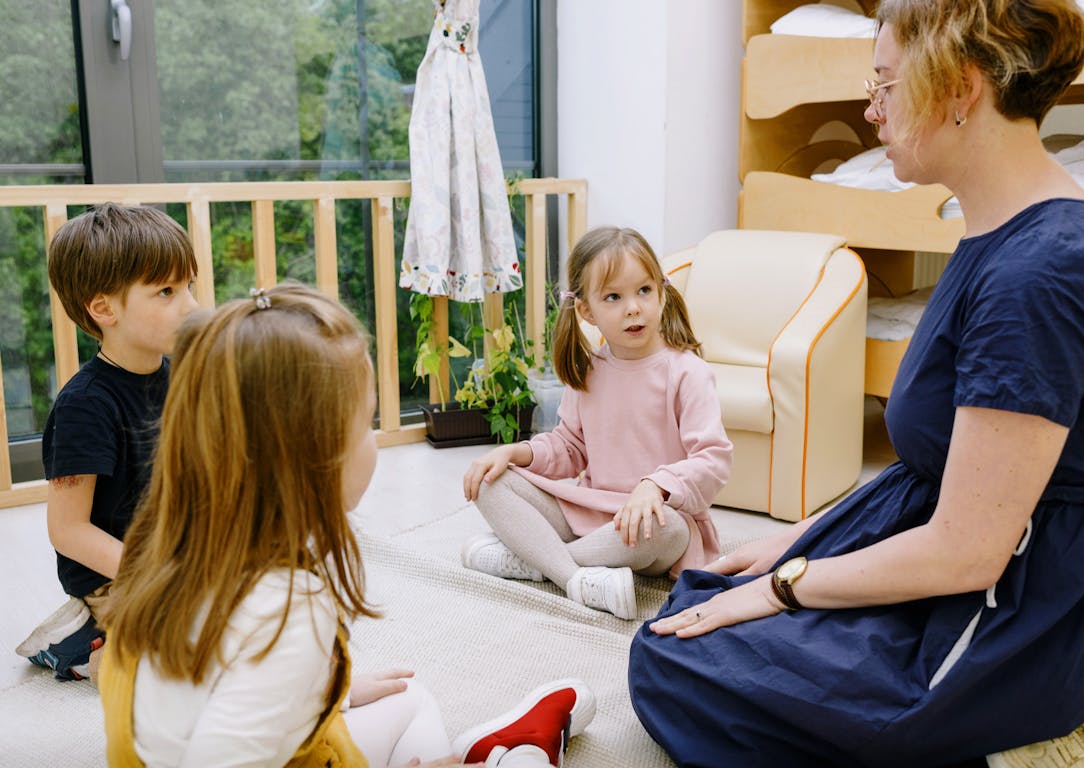
Montessori classrooms are typically mixed age, which creates a different social dynamic.
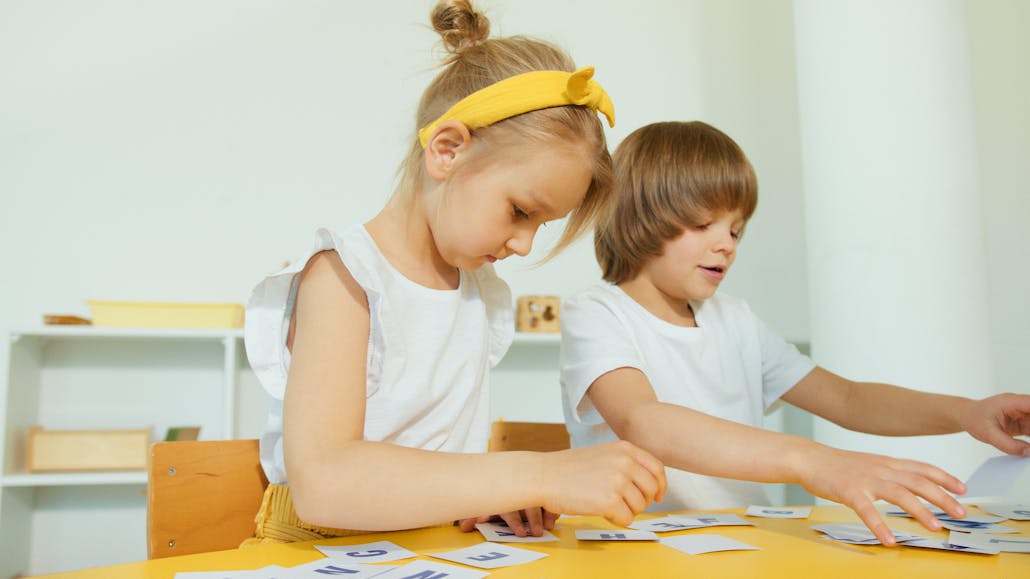
Younger children learn by observing older peers, while older children build confidence by helping others. This creates a more collaborative environment, rather than one based on competition.
Over time, children develop:
- Strong communication skills
- Respect for others
- Confidence in group settings
These are important foundations both in and outside the classroom.
What This Looks Like Over Time
Confidence and independence don’t appear overnight.
Instead, parents often begin to notice gradual changes, such as:
- Greater willingness to try things independently
- Increased focus on tasks
- A sense of pride in completing work
- More confidence in everyday situations
These changes tend to build steadily as children become more familiar with the environment.
Seeing It in Practice
While these outcomes are often discussed, they are much easier to understand when seen in person.
Observing how children move through the classroom, make decisions, and engage with their work gives a much clearer picture of how confidence and independence are developed.
Taking the Next Step
Learn More About Montessori Education in Perth
If you are exploring Montessori education and would like to understand how it compares to traditional schooling in practice, speaking directly with the school can be a helpful next step.
You are welcome to contact Blue Gum Montessori School to learn more about their learning approach, curriculum and enrolment process, book a tour, or to request further information.