Choosing a Montessori School: What Parents Should Look For



Choosing a Montessori School: What Parents Should Look For
Choosing the right school is one of the most important decisions a parent can make. For families exploring Montessori education, it often starts with a feeling: a sense that your child might thrive somewhere a little different.
From there come the bigger questions. What does a good Montessori school actually look like? And how do you know when you have found the right one?
This guide is here to help you look past the brochure and feel confident in your choice.
Why the Right Fit Matters
Montessori education is built on a distinct philosophy. When it is done well, it supports independence, concentration, curiosity and confidence. However, not every Montessori school works in exactly the same way.
Most parents are not looking for a label. They are looking for a place where their child feels safe, supported and genuinely engaged in learning. Knowing what to look for can make that decision much clearer.
What Authentic Montessori Looks Like
A genuine Montessori classroom has a few recognisable features.
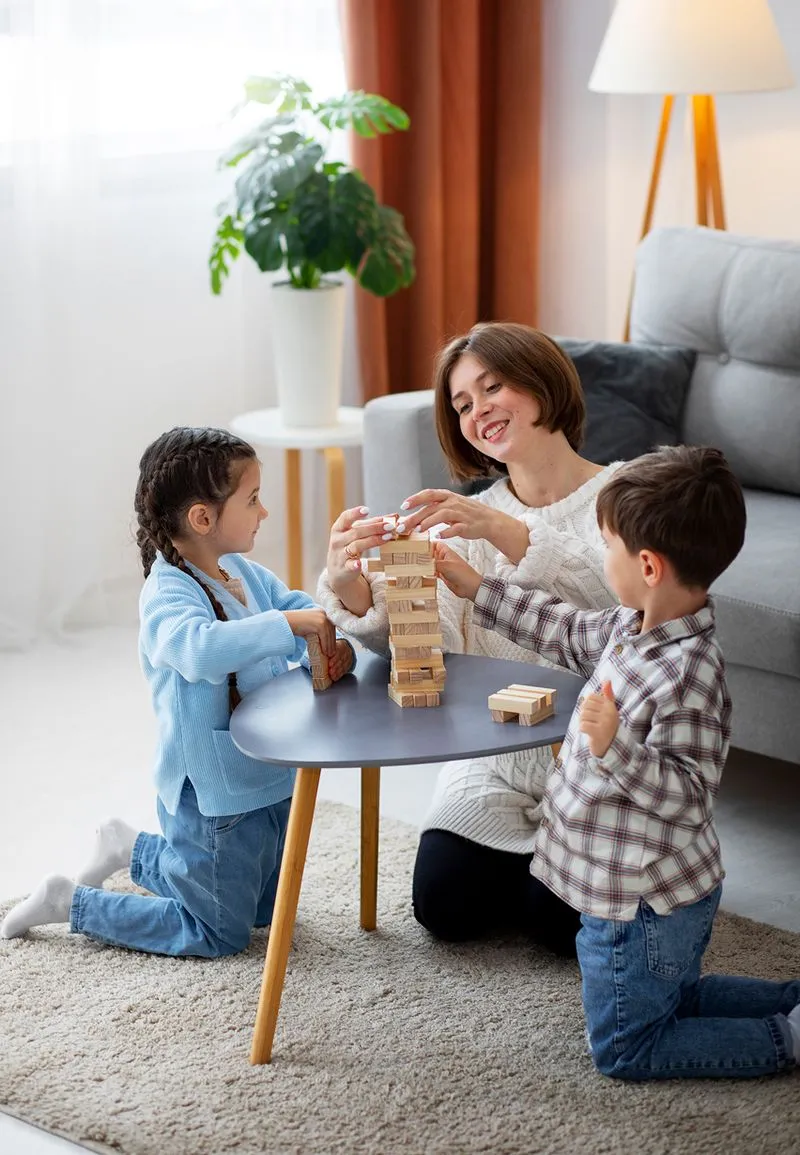
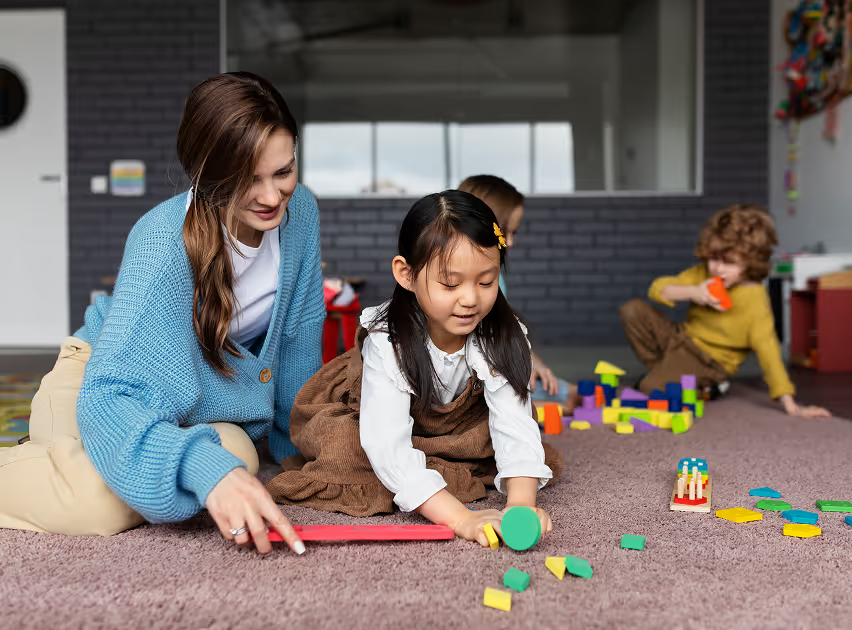
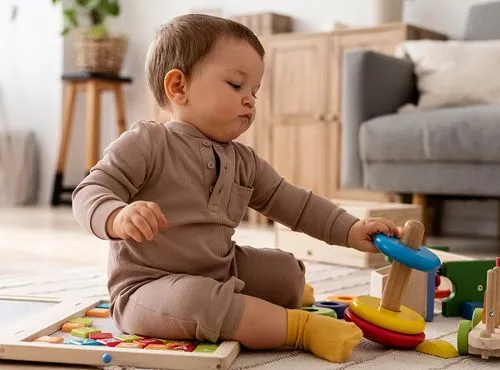
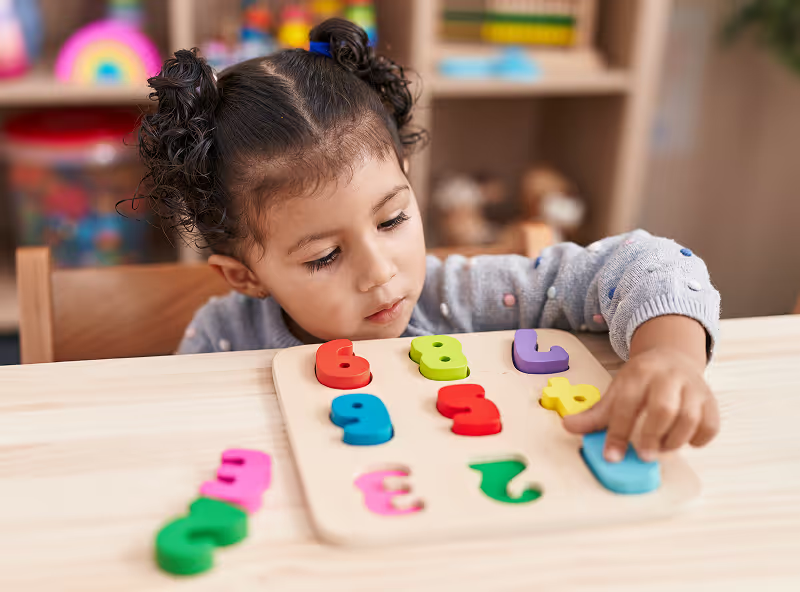
Children learn within a prepared environment, a space carefully set up so they can find materials and work independently. Materials are thoughtfully sequenced and invite hands-on exploration. Educators observe closely and introduce new lessons when each child is ready.
The feeling in the room is calm and purposeful. Children are encouraged to concentrate deeply, move freely within clear boundaries and take responsibility for their work. When you visit a school, see whether the classroom reflects these principles in practice.
Mixed-Age Classrooms
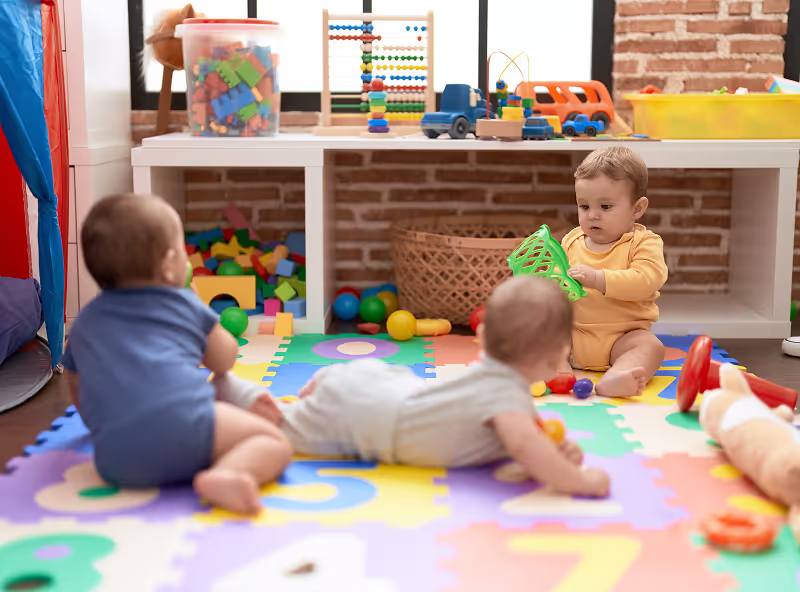
Montessori classrooms usually bring together children across a three-year age range. Younger children learn by watching older classmates, and older children grow in confidence by helping.
It also means children often stay with the same educator for several years. That continuity helps educators get to know each child well, and helps children feel settled and known.
The Role of Trained Educators
Montessori education relies on the skill of the educator. Rather than leading from the front of the room, Montessori educators guide learning, introduce materials thoughtfully and observe each child’s development.
You may like to ask about educator training, ongoing professional learning and how the Montessori philosophy shows up in daily practice. The strength of a program is often reflected in how consistently these principles are applied.
Curriculum and Academic Foundations
A common question families ask is how Montessori education fits with the Australian Curriculum.
A well-structured Montessori program brings together literacy, numeracy, science and humanities through hands-on learning. Children build foundational skills step by step, while developing independence and problem-solving along the way.
It is reasonable to ask how progress is monitored and shared with families. You can read more in our article on whether Montessori follows the Australian Curriculum.
Community, Culture and Belonging
Beyond the curriculum, school culture shapes so much of a child’s experience.
Many families look for a sense of belonging, stability and shared values. A school with a long-standing place in its community can offer reassurance that its approach has been sustained and refined over time.
Location and Everyday Life
Practical things matter too. Where a school is located affects your daily routine, your child’s friendships and how connected your family feels to the school community.
It is worth thinking about drop-off, work commitments and whether before and after school care is available. A school that fits your family’s rhythm makes every day a little easier.
Questions to Ask When You Visit
When you visit a Montessori school, you might like to ask:
- How is the Montessori philosophy applied day to day?
- What Montessori training do the educators have?
- How are children supported academically at different stages?
- How is progress shared with families?
- What opportunities are there for parents to be involved?
- How does the school support the move to high school?
Watching a classroom in action often tells you more than any brochure or website can.
Come and See for Yourself
The best way to understand Montessori is to see it at work.
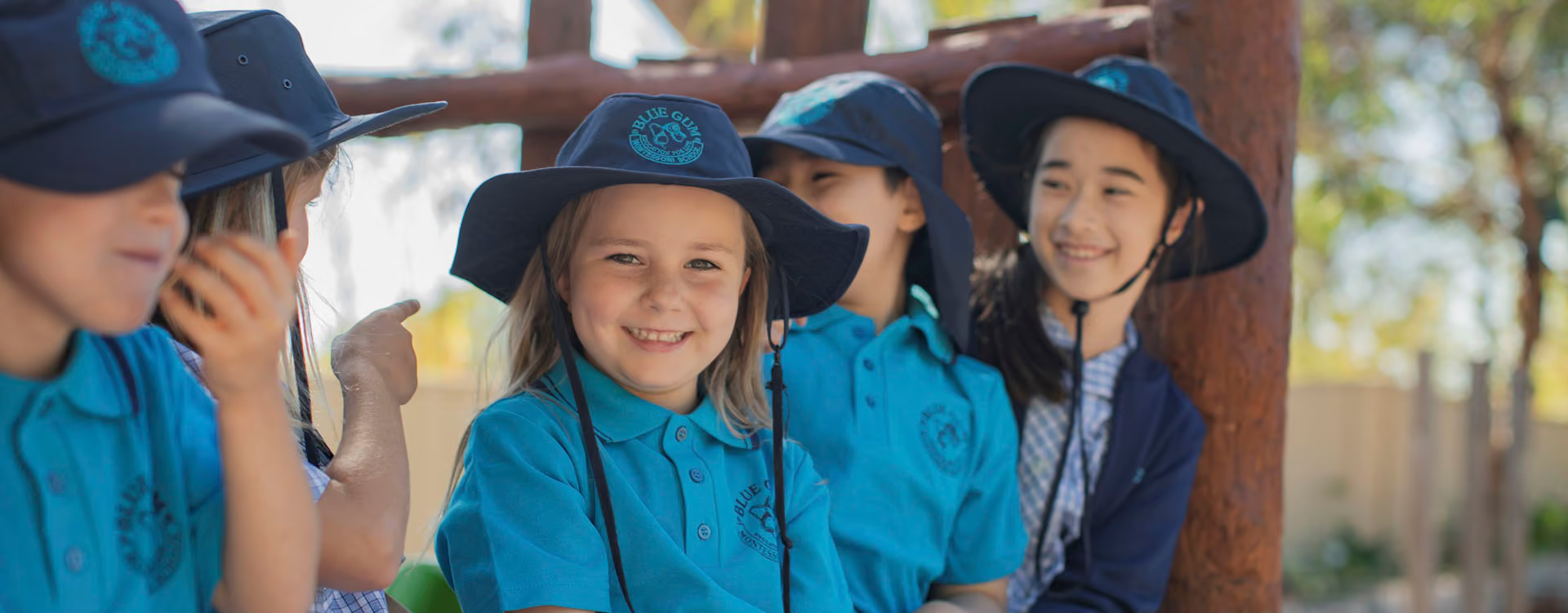
Blue Gum Montessori School has been part of the Bibra Lake community since 1983. If you are exploring a Montessori school in Perth for your child, we would love to show you around.
Book a school tour or attend an information session to see our classrooms, meet our educators and ask any questions you have.



Ready to begin?
Start your Fast Track Enrolment today or contact the Registrar if you would like to discuss your family’s circumstances first.
Acknowledgement of Country
Montessori Trust Statement