What Is Montessori Education? A Parent-Friendly Guide

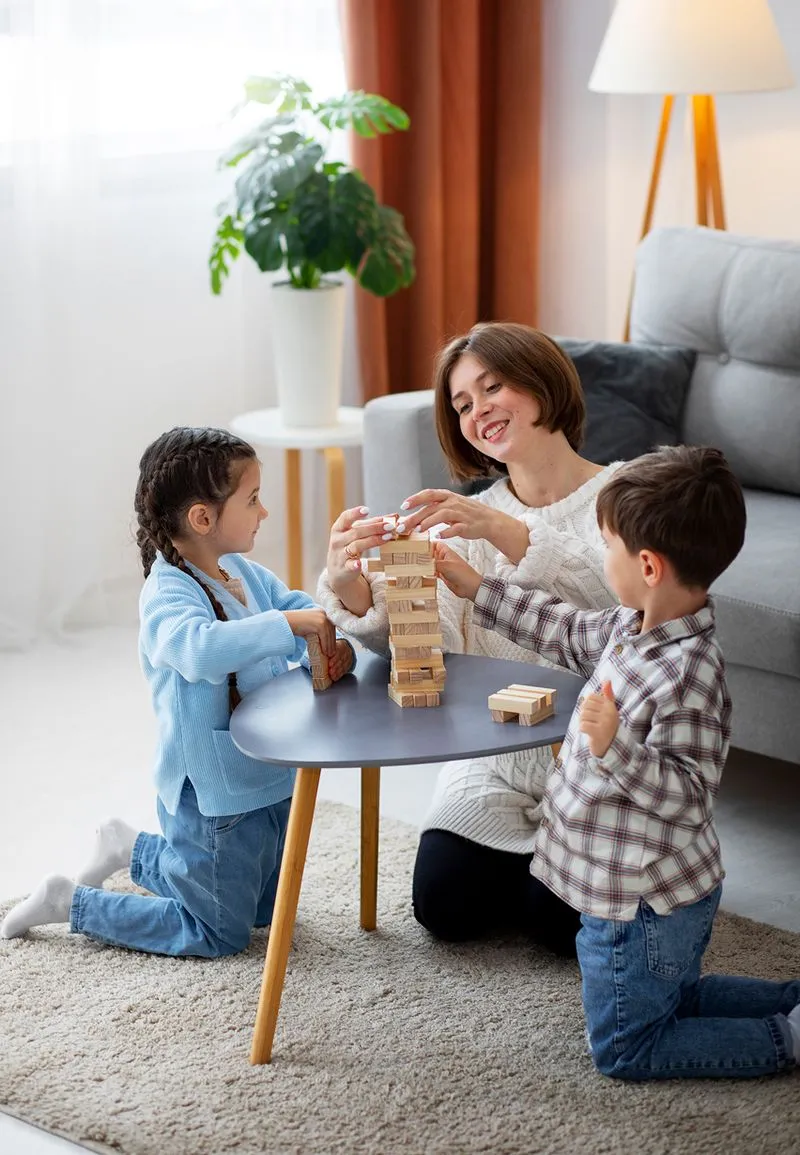



What Is Montessori Education? A Parent-Friendly Guide
If you have been researching schooling options, you have probably come across the term Montessori. Many parents type “What is Montessori education?” into Google and quickly find themselves reading pages full of unfamiliar terminology.
This guide explains Montessori education in simple, practical terms so you can understand how it works and what it means for your child.
What Is Montessori Education in Simple Terms?
Montessori education is a child-centred approach to learning developed by Italian doctor and educator Dr Maria Montessori. Children learn through hands-on materials in a carefully prepared classroom, choosing their work within clear limits, while trained educators observe and guide each child at their own pace.
It is based on the idea that children learn best when they are actively engaged, curious and given appropriate independence.
Instead of relying solely on teacher-led instruction, the Montessori method encourages children to explore carefully prepared materials, make choices within clear boundaries, and develop responsibility for their learning.
In simple terms, Montessori education supports children to become confident, capable and motivated learners.
What Does the Word Montessori Mean?
Montessori isn’t a teaching term. It’s a surname. Dr Maria Montessori was one of the first women in Italy to qualify as a doctor, and she spent her life studying how children learn.
In 1907 she opened her first classroom in Rome, the Casa dei Bambini, or Children’s House. Her approach spread around the world, and today schools in many countries carry her name.
Because the name isn’t protected, it’s worth knowing what to look for. Our guide to choosing a Montessori school can help.
How Is Montessori Different From Traditional Schooling?
One of the main differences is how learning is guided.
In a traditional classroom, lessons are often delivered to the whole class at the same time. In a Montessori classroom, children are introduced to concepts individually or in small groups, then work at their own pace within a structured environment.
The Montessori approach does not remove structure. Instead, the structure is built into the environment, routines and materials.
Children are encouraged to:
- Choose purposeful work
- Concentrate for extended periods
- Take responsibility for completing tasks
- Respect others and their environment
This balance of freedom and responsibility is central to the Montessori educational method. You can read more in Montessori vs Traditional Schooling: What Perth Parents Should Know.
What Does a Montessori Classroom Look Like?
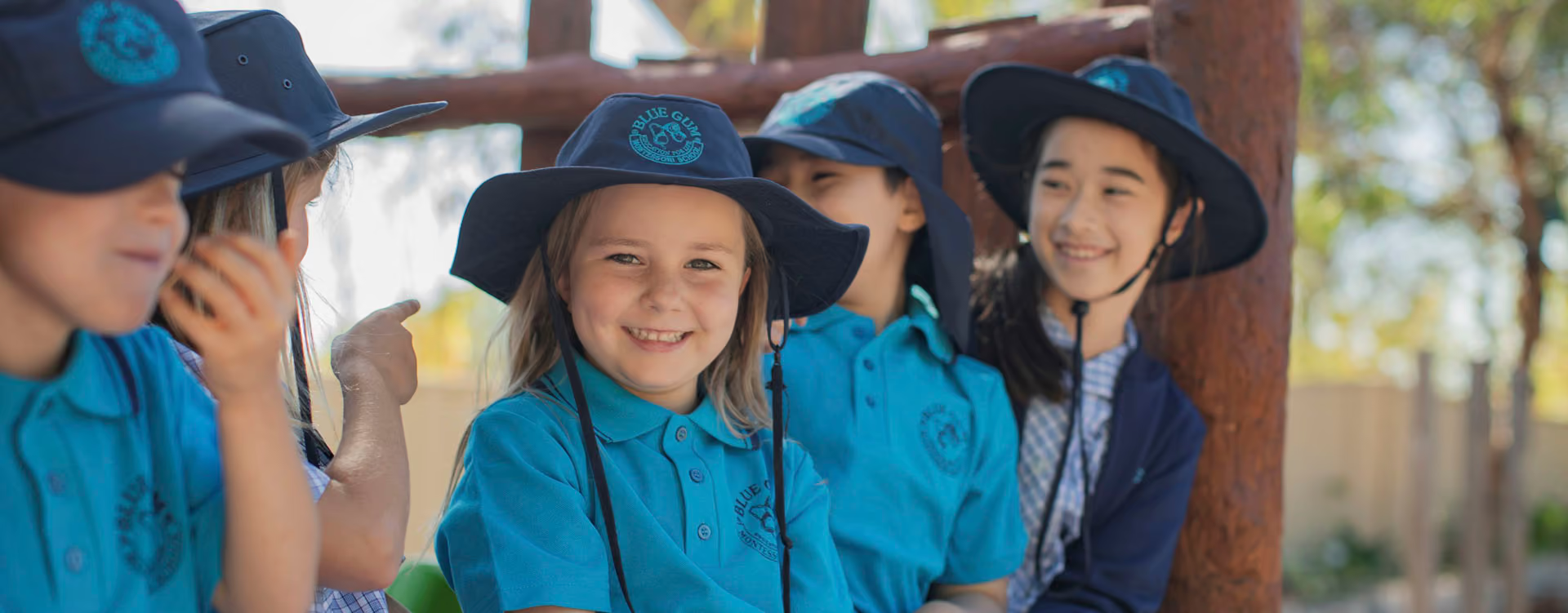
If you walk into a Montessori classroom, you may notice:
- Calm and organised spaces
- Hands-on learning materials arranged on open shelves
- Children working independently or in small groups
- Mixed-age groupings
Materials are designed to teach specific concepts in mathematics, language, science and cultural studies. They are often tactile, letting children see and feel abstract ideas before moving to written work.
For many parents, seeing the classroom in action answers the question “What is Montessori?” more clearly than reading about it.
What Is a Montessori School?
A Montessori school uses the Montessori approach across all of its classrooms. Children learn in mixed-age groups, with trained educators and carefully prepared environments.
In Western Australia, Montessori schools are registered like any other school and teach to the Australian Curriculum. The difference is in how children learn, not what they learn. You can read more in Does Montessori Follow the Australian Curriculum?
What Ages Does Montessori Education Cover?
Montessori education typically spans early childhood through the primary school years.
Classrooms are often grouped by developmental stage rather than single year levels. For example:
This allows children to learn from peers at different stages and develop leadership, empathy, confidence and independence over time.
What Is the Montessori Method Trying to Achieve?
The Montessori method aims to support the whole child.
Academic skills are important, but so are:
- Independence
- Social development
- Emotional regulation
- Problem-solving skills
- Self-motivation
Rather than focusing only on grades, Montessori education builds habits of concentration, curiosity and responsibility. You can read more about how Montessori builds confidence and independence.
Is Montessori Education Structured?
A common misconception is that Montessori is unstructured. In reality, Montessori classrooms follow clear routines and expectations.
Children are free to choose work within defined limits. They are guided by educators who observe carefully and introduce lessons at the right time.
The structure is intentional but not rigid. This allows children to develop self-discipline rather than relying solely on external control.
Montessori Education in Perth
Interest in Montessori education in Perth continues to grow as families look for environments that balance academic learning with personal development.
When researching your options, it helps to visit schools, observe classrooms and speak with educators about how the philosophy is put into practice day to day.
Established in 1983, Blue Gum Montessori School has been part of the Bibra Lake community for decades, offering Montessori education across the primary years.
Is Montessori Right for Every Child?
Every child is different. Some thrive with independence and hands-on learning, while others prefer highly structured, teacher-directed environments.
Understanding what Montessori education is helps you decide whether the approach suits your child’s personality and learning style. Our guide Is Montessori Right for My Child? goes into more detail.
Common Questions About Montessori
Is Montessori only for preschool?
No. Montessori covers early childhood right through the primary years, with classrooms grouped by stage of development.
Is it too late to move my child to Montessori?
Many children join Montessori after starting in a mainstream school. Read more in Is It Too Late to Move to a Montessori School?
How can I see Montessori in action?
The best way is to visit. A classroom observation lets you watch a class at work and ask questions afterwards.
Taking the Next Step
If you are exploring Montessori education, the best way to understand it is to see it for yourself.
You are welcome to book a school tour to see our classrooms and meet our educators, or contact Blue Gum Montessori School with any questions about our approach, curriculum and enrolment.



Ready to begin?
Start your Fast Track Enrolment today or contact the Registrar if you would like to discuss your family’s circumstances first.
Acknowledgement of Country
Montessori Trust Statement