Composite classes and mixed-age classrooms: why Montessori is designed for them




Composite classes and mixed-age classrooms: why Montessori is designed for them
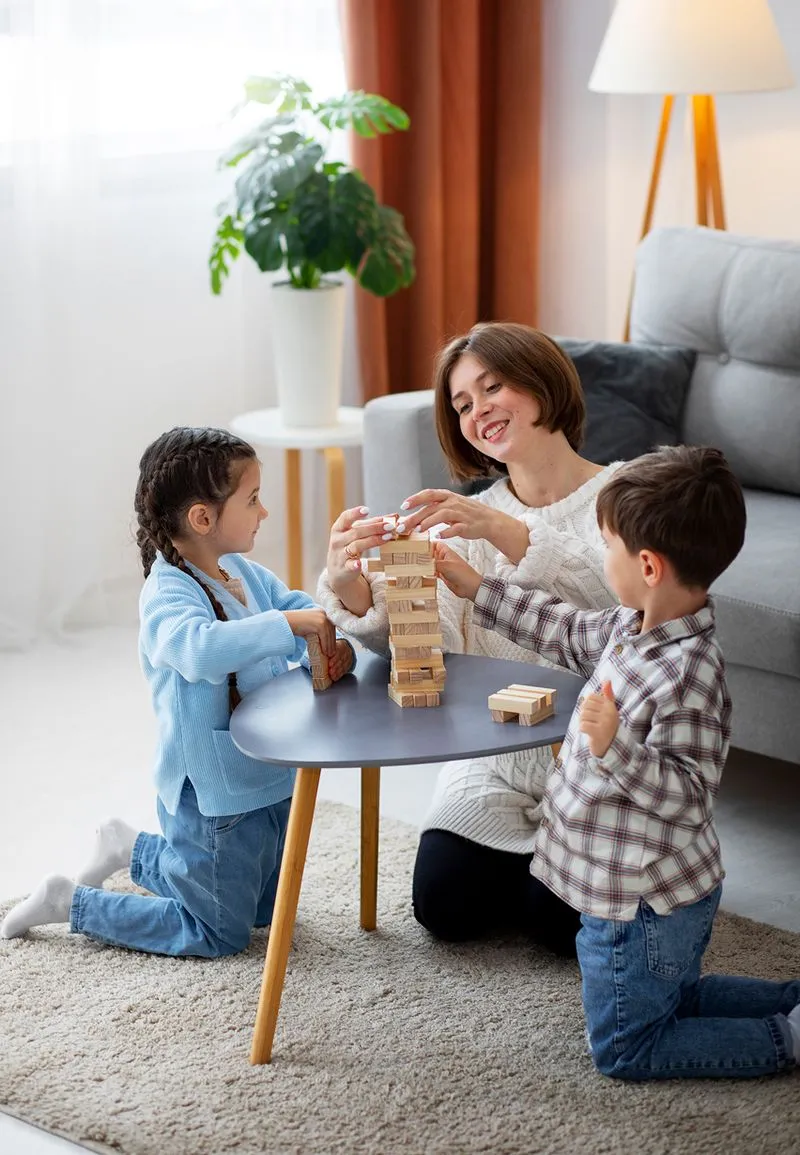
If a friend’s child has been placed in a composite class and it hasn’t gone well, you may be wondering how a Montessori classroom, where every room spans three ages, is any different. The answer is design. In most schools, composite classes are formed when enrolment numbers don’t divide evenly into single year groups. In Montessori, the mixed-age classroom is a fundamental structural feature. It creates a beautiful ripple effect where the curriculum, the learning materials, the room setup, and the teacher’s training all fit together like puzzle pieces, working hand-in-hand to bring out the absolute best in every child.
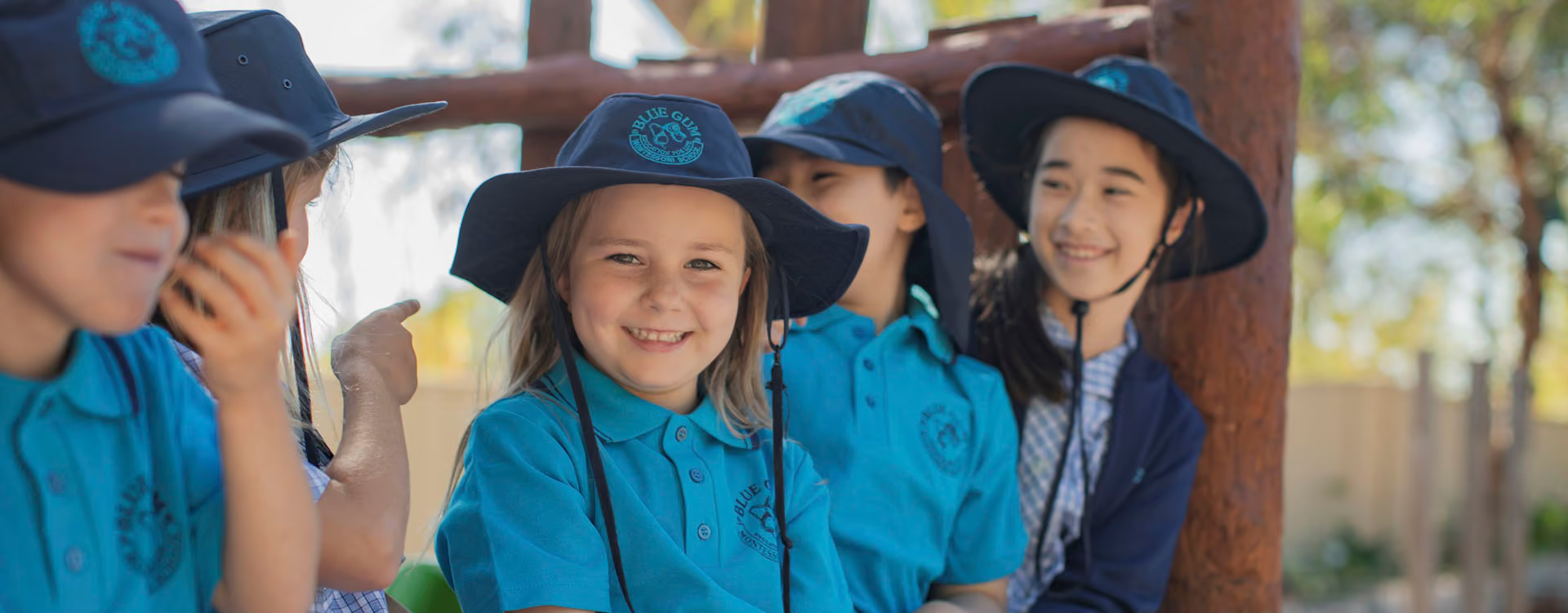
At Blue Gum Montessori in Bibra Lake, every classroom spans three years, and your child stays with the same guide (what Montessori calls the teacher) for that whole cycle.
What are composite classes?
Composite classes, also called split classes, mixed age or multi-age classes, combine students from two year levels, such as Year 2 and Year 3, with one teacher. In mainstream primary schools they are usually formed for practical reasons, when a year group is too large for one class but too small for two.
A composite class can work well, and many teachers manage them with real skill. The difficulty is that the school day is still organised around year levels. The teacher plans for two sets of year-level content, whole-class lessons have to be pitched somewhere in the middle, and the class mix can change from one year to the next as numbers shift. That is why some families find their child is either waiting for others to catch up or working hard to keep pace with older classmates.
Why mixed-age classrooms work in Montessori
Montessori classrooms are mixed-age on purpose. Children are grouped in three-year spans because children learn a great deal from one another, and because lessons given to one child or a small group let each child move at their own pace rather than the pace of a year group.
Lessons are given individually or in small groups
Rather than one lesson delivered to the whole class, a Montessori guide gives short lessons to a single child or a small group who are ready for the same next step. Meanwhile the rest of the class works independently on work they have already been shown. A 6-year-old and an 8-year-old in the same room are not competing for the same lesson. Each is working on what they are ready for.
The materials follow a sequence, not a year level
Montessori materials are the hands-on learning resources set out on the shelves of every classroom. They are arranged in a sequence that runs across the whole three-year cycle. Your child moves to the next material when they are ready, whether that comes earlier or later than their age alone would suggest.
Older children lead and younger children learn by watching
Younger children see what is coming next by watching older classmates at work. Older children strengthen their own understanding by showing a younger child how something works, and they grow into a natural leadership role in the room. Over three years, every child has the experience of being the youngest, then in the middle, then the oldest.
Your child keeps the same guide for three years
Because each cycle runs for three years, your child’s guide comes to know them, and you, very well. There is no starting over each February with a new teacher learning how your child thinks and works. The guide plans each child’s next lessons from what they have observed, often over years rather than terms.
Guides are trained for mixed ages
Montessori teacher training is specific to a mixed-age group. It covers how to observe each child, when to introduce the next lesson and how to prepare one room for three ages at once. A composite class is something a mainstream teacher adapts to. A mixed-age classroom is what Montessori training prepares a guide to teach.
Composite classes and Montessori classrooms compared
| Composite class (typical mainstream) | Montessori mixed-age classroom | |
|---|---|---|
| Why the class is mixed | Enrolment numbers | Designed that way from the start |
| Age span | Usually two year levels | Three years |
| How lessons are given | Mostly whole class or by year group | One child or a small group, when they are ready |
| How learning is planned | By year level | A sequence of materials across the cycle |
| Teacher | Usually changes each year | The same guide for the three-year cycle |
| From one year to the next | The class mix can change with numbers | The cycle stays the same |
| Role of older children | Varies by class | Leaders and peer teachers by design |
How mixed-age cycles work at Blue Gum
Blue Gum has three cycles. Each is a mixed-age classroom spanning three years.
| Cycle | Ages | Year groups |
|---|---|---|
| Junior Primary | 3 to 6 | Pre-Kindergarten, Kindergarten and Pre-primary |
| Middle Primary | 6 to 9 | Years 1 to 3 |
| Upper Primary | 9 to 12 | Years 4 to 6 |
Upper Primary is the final cycle at Blue Gum, which finishes at Year 6.
Blue Gum is a small school, so guides know the children in their own room and across the school. They observe and record each child’s progress in every area of learning and plan each child’s next lessons from those records. You can read more about how Montessori follows the Australian Curriculum.
What if my child is moving from a composite class?
Children join Blue Gum at many points in primary school, including families moving from a composite class that hasn’t suited their child. Your child’s guide observes where they are in each area of learning and introduces the next step from there.
Moving in the middle of a cycle is common, because there are always children of three ages in the room.
Frequently asked questions
Is a Montessori classroom the same as a composite class?
No. Both mix ages, but a composite class is usually an arrangement made for enrolment numbers within a year-level system. A Montessori classroom is designed for three ages, with lessons, materials and guide training built around that from the start.
Will my older child be held back by younger children?
Lessons in a Montessori classroom are given individually or in small groups, so an older child works on their own next step rather than waiting for the class. Explaining a concept to a younger classmate is also one of the ways older children deepen their own understanding.
Will my younger child fall behind the older ones?
Younger children are not expected to keep pace with older classmates. They work through the materials in sequence at their own pace, with the opportunity for deeper learning, and they benefit from seeing older children at work on what comes next.
Why does Montessori use three-year age groups?
Three years gives each child time to be new, settled and then a leader in the same room, with the same guide. It also lets the guide plan for each child over a long period rather than a single school year.
See a mixed-age classroom for yourself
The clearest way to understand a mixed-age classroom is to watch one at work. Book a school tour to see a Blue Gum classroom on our Bibra Lake campus, south of the river, and talk through where your child would fit in the cycle.
Related reading



Ready to begin?
Start your Fast Track Enrolment today or contact the Registrar if you would like to discuss your family’s circumstances first.
Acknowledgement of Country
Montessori Trust Statement