
What to Look for When Visiting a Montessori School
What to Look for When Visiting a Montessori School
Visiting a school for the first time can feel like a big step.
By the time most families book a tour, they’ve already done some research. They have a general idea of what Montessori is, but seeing it in person is often what helps everything click. The challenge is knowing what to focus on while you’re there.
Rather than trying to assess everything at once, it helps to slow down and pay attention to how the environment feels and how children move through it.
The Overall Feel of the Classroom
One of the first things you’ll notice when walking into a Montessori classroom is the atmosphere.
It’s typically calm, focused, and quietly active. Children are engaged in their work, but the space doesn’t feel rushed or chaotic.
As you walk through, it’s worth asking yourself:
- Does the space feel settled and purposeful
- Are children engaged in what they’re doing
- Is there a sense of respect for the environment
This overall feeling often gives a clearer picture than anything else.
How Children Are Working
Instead of focusing on what is being taught, take a moment to observe how children are working.
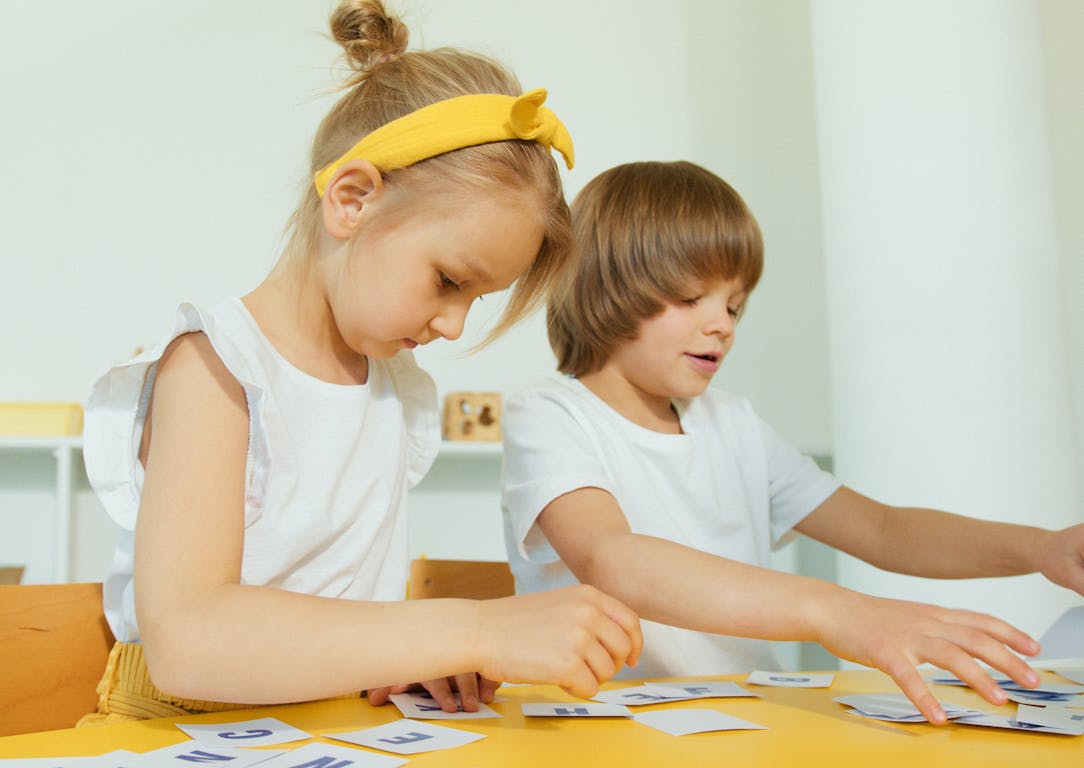
In a Montessori classroom, you’ll usually see children working independently or in small groups, choosing activities that suit their level and interest.
You may notice:
- Children concentrating deeply on individual tasks
- Small groups working together naturally
- Children moving between activities with purpose
- A range of ages learning alongside each other
This independence is a core part of the Montessori approach, and it’s much easier to understand when you see it in action.
How Educators Interact with Children
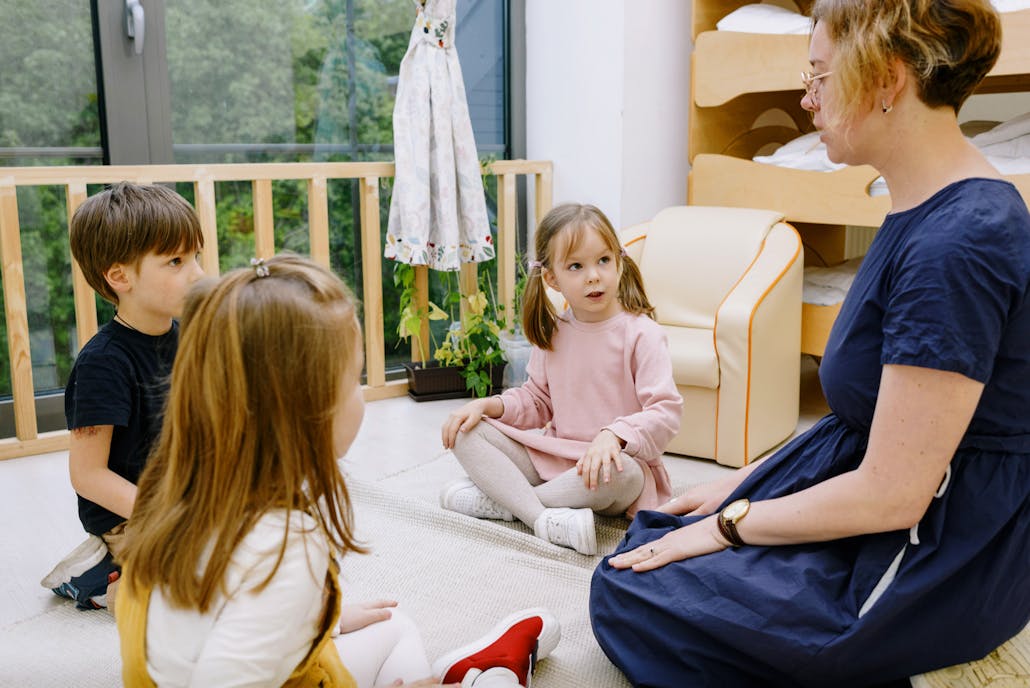
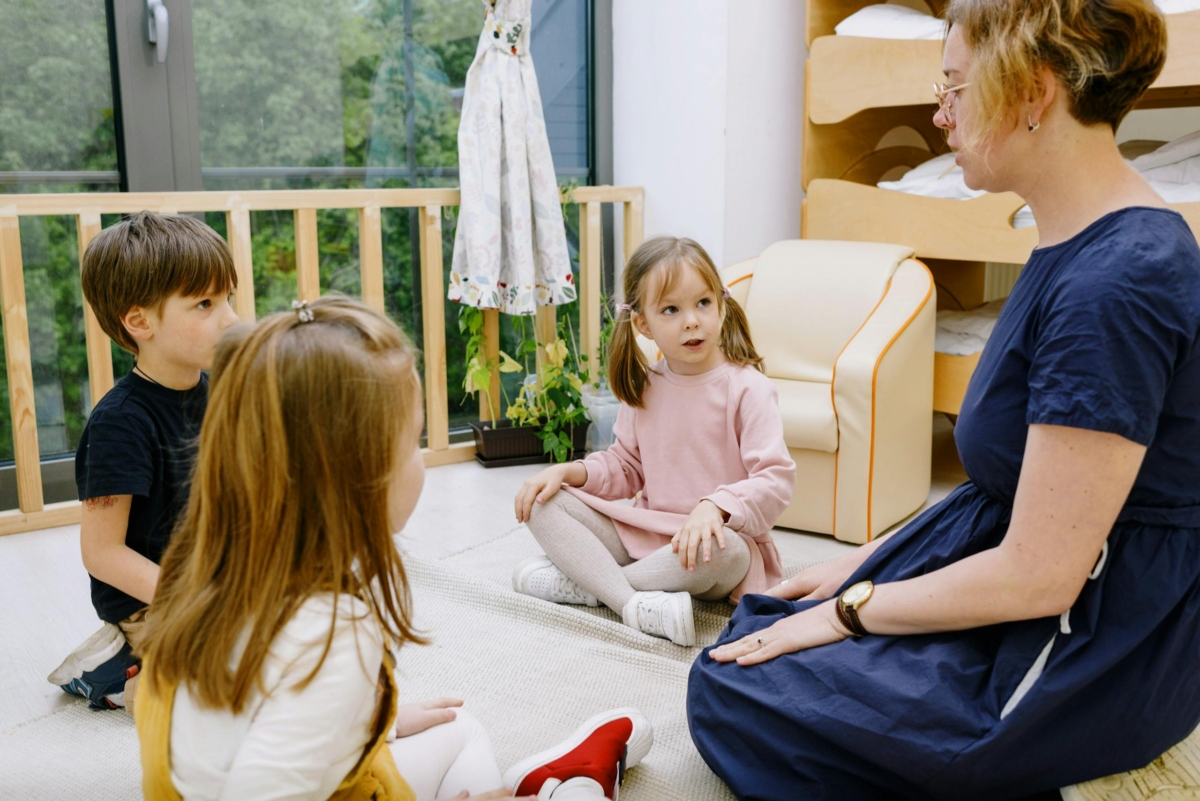
Rather than leading from the front of the room, educators tend to move quietly through the space.
During a visit, it’s helpful to watch how they interact with children in real time.
Look for:
- Calm, respectful conversations
- Guidance without interrupting concentration
- Encouragement rather than correction
- Time given for children to think and respond
You’re not looking for constant instruction, but for a balance between support and independence.
The Learning Environment
Montessori classrooms are carefully prepared, and the environment itself plays a big role in how children learn.
Materials are usually organised, accessible, and purposeful. Everything has a place, and children are encouraged to use and return items independently.
As you look around, consider:
- Whether materials are easy to access
- If the space feels ordered rather than cluttered
- How children interact with the materials
A well prepared environment reduces the need for direction and supports independent learning.
How Children Interact With Each Other
Because Montessori classrooms are often mixed age, the way children interact can feel different.
Rather than everyone working at the same level, you’ll often see a natural mix of learning and support between children.
You may notice:
- Older children helping younger ones
- Children working together without being prompted
- Respectful and calm interactions
These moments give a strong insight into the culture of the classroom.
Trusting What You See
It’s easy to feel like you need to analyse everything during a visit, but often your instincts are just as important.
If the environment feels calm, the children are engaged, and the interactions feel natural, those are strong signs that the space is working as intended.
Finding the Right Fit for Your Child
Every child is different, and part of visiting a school is considering how your child might respond to the environment.
Think about:
- Whether your child would feel comfortable in the space
- How they might respond to the level of independence
- Whether the environment matches their personality
This isn’t about finding a perfect answer, but about getting a clearer sense of what feels right.
Taking the Next Step
Learn More About Montessori Education in Perth
If you are exploring Montessori education and would like to understand how it compares to traditional schooling in practice, speaking directly with the school can be a helpful next step.
You are welcome to contact Blue Gum Montessori School to learn more about their learning approach, curriculum and enrolment process, book a tour, or to request further information.