

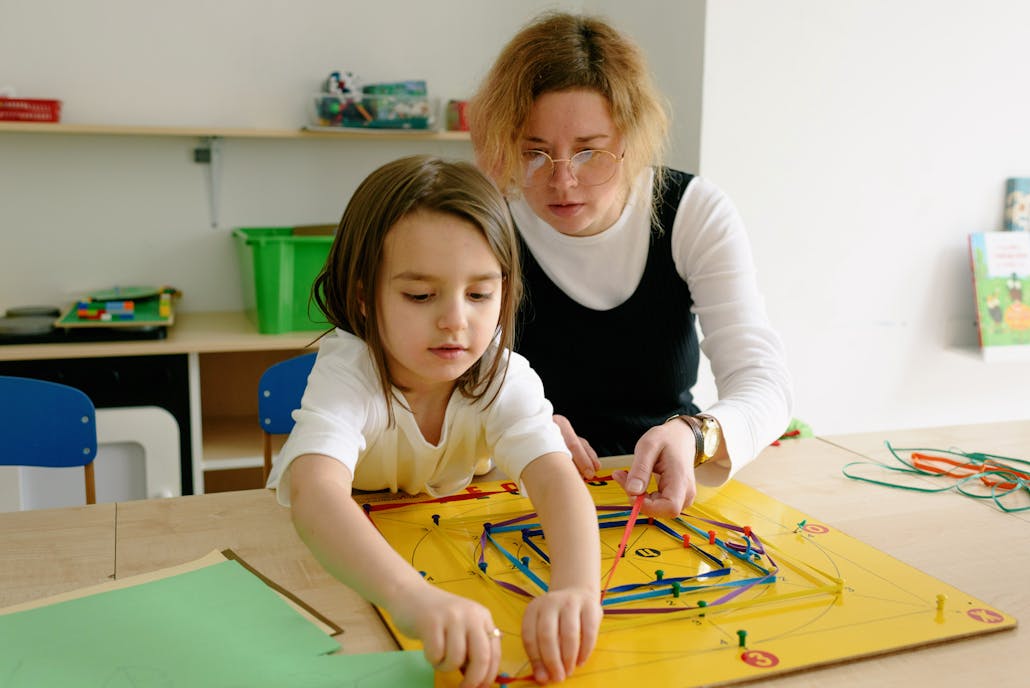
Why It’s Not Too Late to Move to Montessori Education
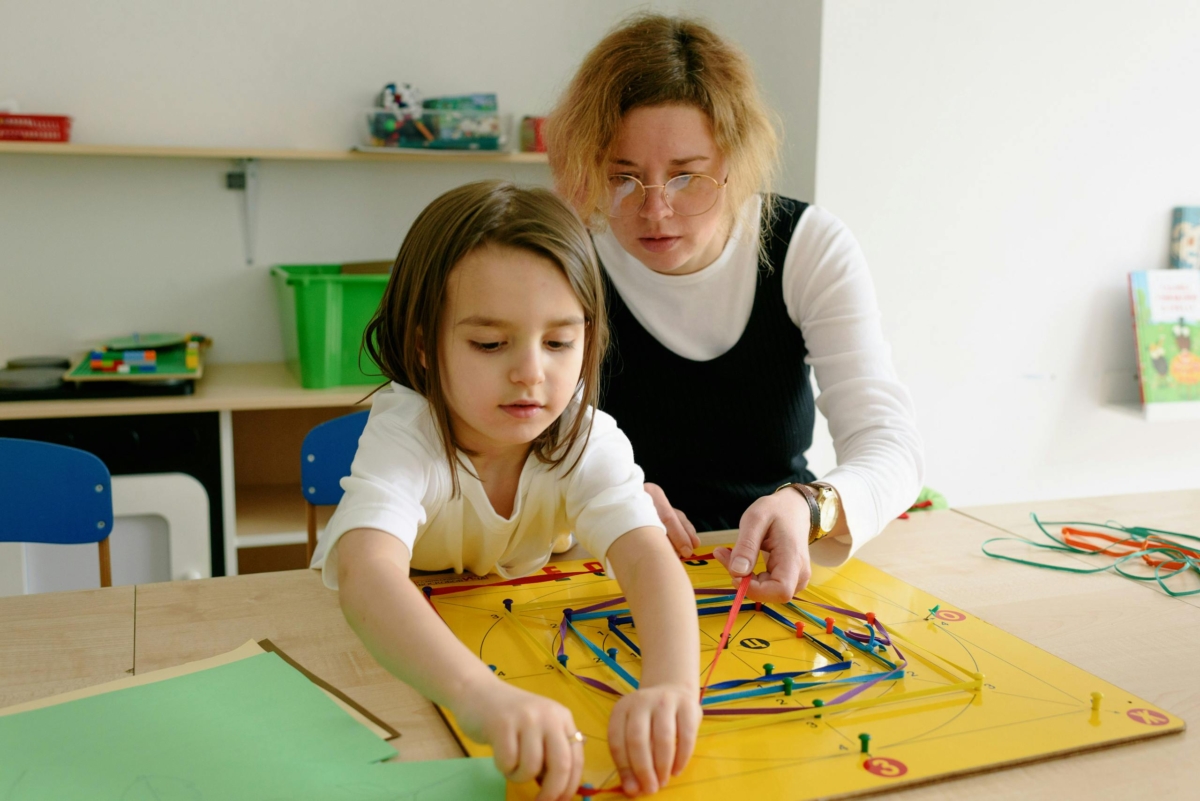
Why It’s Not Too Late to Move to Montessori Education
Changing schools can feel like a big decision.
For many families, there is a point where they start wondering whether their child’s current learning environment is still the right fit. Maybe their child needs more confidence, more independence, more space to focus, or a different way of engaging with learning.
It is natural to wonder whether making a move now is too late. The good news is that many children can transition into Montessori education at different stages, particularly in the early years of school when learning habits, confidence and social foundations are still developing.
For families considering 2026 enrolments, this can be a good time to explore whether Montessori may offer the right environment for your child.
Why families consider a change
Families look at changing schools for many reasons.
Sometimes a child is doing well academically but does not seem deeply engaged. Sometimes they are capable, but lacking confidence. Other times, parents feel their child may benefit from a calmer environment, more independence or a more hands on approach to learning.
A school change does not always mean something is wrong. Often, it simply means a family is looking for a better fit.
Parents may start considering a move when they notice:
- Their child is losing confidence
- Their child seems disengaged or frustrated
- They would benefit from more independence
- They need more time to focus deeply
- They respond well to hands on learning
- They are curious but need a different kind of support
These are common reasons families begin looking at alternative schooling options.
It is not too late to make the move
One of the biggest concerns parents have is whether their child has missed the right time to start Montessori.
In many cases, they have not.
While some children begin Montessori from a very young age, others join later and settle well with the right support. Kindergarten, Pre Primary and the early primary years can be especially strong entry points because children are still developing the routines, confidence and independence that shape their learning journey.
This is why we recently explored why Kindergarten to Year 3 can be a great time to start Montessori. These years offer a valuable window for children to build strong foundations in a supportive environment.
How Montessori supports children joining later
A Montessori classroom is designed to meet children where they are.
Rather than expecting every child to learn in exactly the same way or at the same pace, educators observe each child and guide them based on their readiness, confidence and development.
For children joining later, this can help reduce pressure and create a more natural transition into the classroom.
The environment supports children by:
- Giving them time to settle into routines
- Allowing them to observe before participating fully
- Helping them build independence gradually
- Supporting learning through hands on materials
- Encouraging confidence through repeated practice
- Creating opportunities to work with different age groups
This means children are not expected to know everything on day one. They are guided into the environment step by step.
Moving schools can make a real difference
Sometimes a change in environment can shift how a child sees themselves as a learner.
A child who has become hesitant may begin to take more initiative. A child who struggles with focus may respond well to longer periods of uninterrupted work. A child who needs more independence may thrive when given appropriate responsibility.
Montessori is not about forcing children into a fixed structure. It is about creating an environment where they can build confidence through experience, responsibility and meaningful work.
You can read more about this in our article on how Montessori supports confidence and independence in children.
What the first few weeks can look like
Starting in a new environment takes time, and every child will settle differently.
Some children adapt quickly. Others take longer to observe, understand the routines and become comfortable. Both are completely normal.
The first few weeks are usually about helping children feel secure, understand the classroom expectations and begin building relationships with educators and peers.
For families wanting to understand this stage in more detail, we have also written about what to expect when starting in Junior Primary Montessori.
Come and see for yourself
If you are unsure whether now is the right time to move, the best next step is to visit the school and see the environment in action.
A classroom observation or school visit gives families the chance to understand how Montessori works in practice. You can see how children move through the space, how educators guide learning and how the classroom supports focus, independence and confidence.
You can also read our guide on what to look for when visiting a Montessori school before coming in.
Considering a move for 2026
For families thinking about 2026 enrolments, it is worth having the conversation early.
Even if you are not ready to make a decision straight away, learning more about the school, the classroom environment and the enrolment pathway can help you understand what might be possible for your child.
If you are considering a move, you can learn more about the enrolment process or attend an information session to see whether Blue Gum Montessori feels like the right fit for your family.
Taking the Next Step
Learn More About Montessori Education in Perth
If you are exploring Montessori education and would like to understand how it compares to traditional schooling in practice, speaking directly with the school can be a helpful next step.
You are welcome to contact Blue Gum Montessori School to learn more about their learning approach, curriculum and enrolment process, book a tour, or to request further information.